Serving Apple Valley, CA and surrounding areas. (442) 221-3755
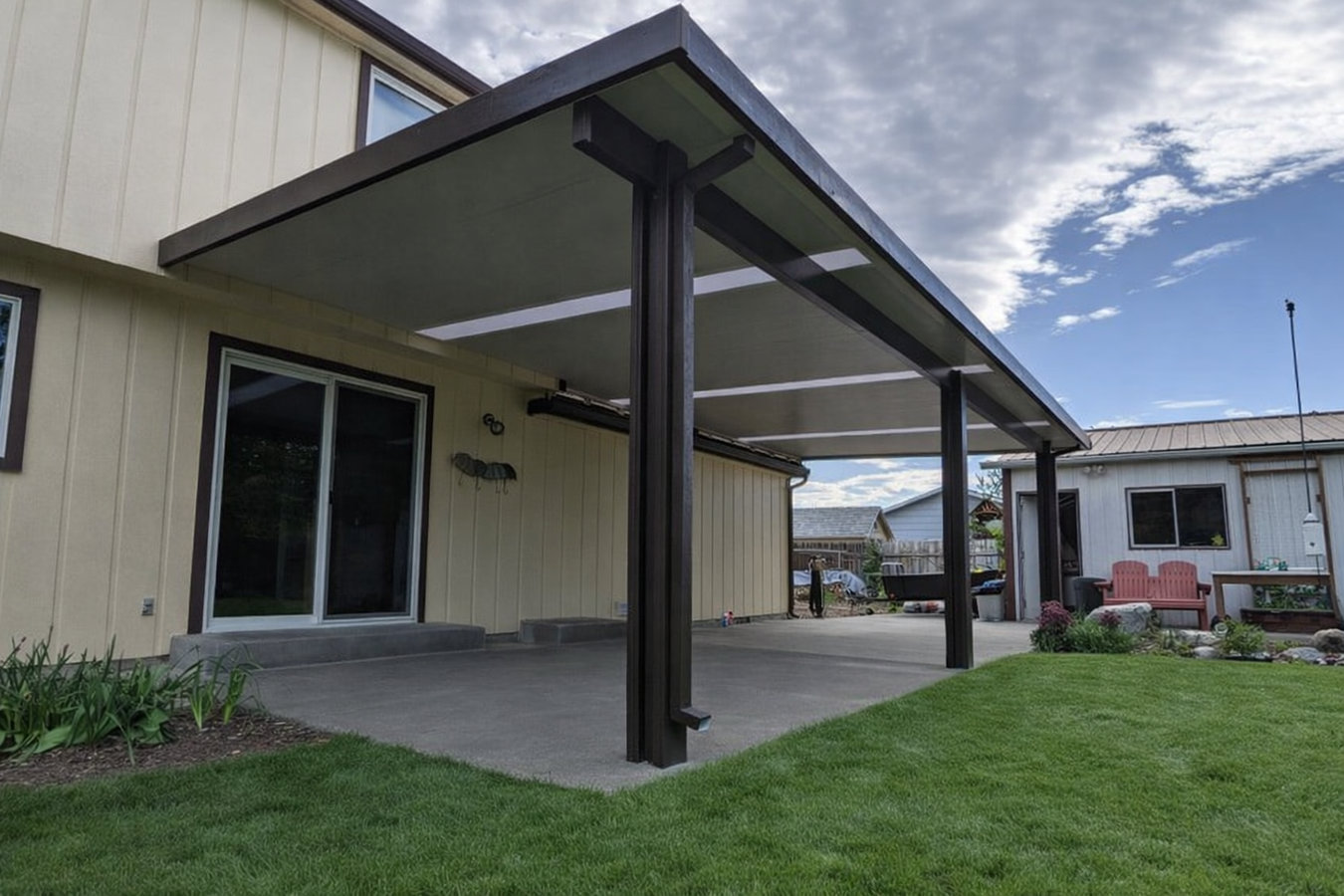
A properly built patio cover turns an unusable desert backyard into a shaded outdoor room you can actually enjoy - anchored deep for High Desert winds, permitted through the Town of Apple Valley, and designed to last decades in this climate.
Patio cover installation in Apple Valley, CA adds a permanent shading structure to your home's outdoor space - attached to the house or freestanding in your yard - most standard projects take one to three days on-site once the permit clears the Town of Apple Valley's Building and Safety Division, and the finished cover makes your backyard usable from late spring through early fall.
Apple Valley gets summer temperatures that regularly exceed 105 degrees, and an unshaded patio slab radiates that heat back up at you long after the sun goes down. A patio cover solves that problem directly - creating a shaded zone under which the air temperature drops noticeably, outdoor furniture stays protected, and the back wall of your home faces less direct sun. Homeowners who want full enclosure instead of open shade often move from a patio cover to a patio enclosure or look at our sunroom design options when they are ready to add walls and climate control to the space.
Permits are required by the Town of Apple Valley for any attached cover and for most freestanding covers above a certain size. Unpermitted structures create problems at resale and with insurance claims. A contractor who pulls the permit on your behalf and schedules the final inspection protects your investment from the first nail to the last signature.
Apple Valley's summer temperatures make unshaded patios genuinely uncomfortable - even unsafe - for extended time outdoors. If you walk outside between May and September and immediately turn around because of the heat, your outdoor space is not working for you. A patio cover creates a shaded zone that stays meaningfully cooler than the open sun, making your yard livable again during the months that matter most.
If you have a concrete patio but nothing above it, you are leaving usable square footage on the table. A bare slab in the High Desert bakes in the sun and radiates heat back up even after the sun goes down. Adding a cover transforms that slab into a true outdoor room with shade and structure you can actually build on - ceiling fans, lighting, outdoor speakers.
Intense UV exposure in Apple Valley fades and cracks outdoor furniture, cushions, and rugs much faster than in coastal climates. If you have replaced patio furniture or cushions more than once in the past few years, a cover would protect your investment and stop that cycle. The UV damage happening to your furniture is also happening to your sliding door frames and the exterior wall of your home.
If the wall of your house facing the backyard is faded, the paint is peeling, or the sliding door frame feels hot to the touch in summer, your home's exterior is taking a beating from direct sun exposure. An attached patio cover acts as a shield for that wall, reducing heat gain inside the rooms that face your yard and protecting the exterior finish from deteriorating.
We build patio covers across a range of materials and styles, from clean aluminum lattice covers that let filtered light through to solid insulated panel covers that keep the space below noticeably cooler by blocking heat from above. The right choice depends on how much shade you need, how much you want to spend up front, and how much ongoing maintenance you are willing to do. Aluminum holds up best in Apple Valley's climate - it does not warp, fade, or crack under sustained UV exposure the way wood does - but we build in wood as well for homeowners who prioritize the look over low maintenance. Homeowners who want to enclose the space further down the road often choose a cover that is compatible with a later patio enclosure project, while those planning a full glass room from the start may want to consider our sunroom design services to plan the whole project at once.
Every patio cover we install in Apple Valley is engineered to handle the wind loads this area is known for. The High Desert regularly sees Santa Ana wind events with gusts that can exceed 50 mph, and the Town of Apple Valley's building requirements reflect this. Posts go into deeper concrete footings here than they would in a calmer climate, and the connections between the cover and your home's structure are anchored to stay tight even in a serious windstorm. We handle the permit application to the Town of Apple Valley's Building and Safety Division and check your neighborhood's HOA rules before we submit designs, so you are not caught by a surprise requirement mid-project. The National Association of the Remodeling Industry notes that outdoor living space improvements consistently rank among the highest-satisfaction remodeling investments for homeowners.
Best for homeowners who want shade with filtered natural light - the lattice pattern breaks the sun without blocking all of the sky, and aluminum holds its finish in High Desert conditions for years.
Best for homeowners who want maximum comfort under the cover - solid panels block all direct sun and the insulation layer prevents heat from radiating down, keeping the space noticeably cooler in summer.
Best for homeowners who prioritize aesthetics - wood gives a warm, traditional look that aluminum cannot replicate, while Alumawood products offer a wood appearance with lower maintenance requirements.
Best for homeowners who want shade in a part of the yard not attached to the house - freestanding structures give you flexibility in placement and can cover a seating area, dining space, or pool deck.
Apple Valley's Mojave Desert climate creates specific challenges that matter directly to how a patio cover is designed and built. Summer temperatures regularly exceed 105 degrees and UV exposure is intense enough to degrade materials that hold up fine in coastal California. Apple Valley also sits in a high-wind corridor where Santa Ana events and frequent gusts put real stress on structures that are not anchored properly. Material selection and anchoring depth are not optional extras here - they are the difference between a cover that serves you for 20 years and one that shows up on an insurance claim within a few.
The Town of Apple Valley enforces its building permit requirements for patio covers, and a significant portion of residential neighborhoods in the area also have HOA architectural review requirements on top of the town permit. Navigating both without guidance can add weeks to your project if you miss a step. We serve homeowners throughout Apple Valley and surrounding High Desert communities, including Hesperia and Victorville, where the climate conditions and permitting landscape are comparable to Apple Valley.
You reach out and we ask a few basic questions - the size of your patio, what you are hoping to use the space for, and whether you have any HOA restrictions. We reply to all new inquiries within one business day and schedule a site visit from there.
We come to your home, measure the space, look at how your house is built, and talk through your material options in person. In Apple Valley, we also note which direction the sun hits your yard and how exposed the site is to wind - both affect what we recommend and how the posts will be anchored.
We submit the permit application to the Town of Apple Valley's Building and Safety Division on your behalf. This includes drawings showing the cover's size, how it attaches to the house, and how the posts are anchored. Permit approval typically takes one to four weeks - we keep you updated throughout.
The crew digs and pours the concrete footings, sets the posts, and frames the cover - most standard installations wrap up in one to three days. After the cover is built, the town inspector comes out to verify the work meets the approved plans. We schedule this and attend the inspection, then walk you through the finished project before we leave.
No pressure, no obligation - just a clear, written quote so you can compare with confidence.
(442) 221-3755Apple Valley gets regular Santa Ana wind events and gusts that can exceed 50 mph. Every cover we build is engineered to the Town of Apple Valley's wind load requirements, with posts anchored in concrete footings set deep enough to stay stable when the wind picks up. We have seen what happens to covers built to coastal California standards when the desert wind arrives - it is not pretty.
We manage the entire permit process with the Town of Apple Valley's Building and Safety Division and check your HOA requirements before submitting any designs. You do not need to figure out which forms to fill out or which office to call. When the inspection passes, we hand you copies of all paperwork to keep with your home records.
We hold a valid California contractor's license and carry the insurance that protects you if something goes wrong on-site. You can verify our license in about two minutes on the California Contractors State License Board website. We never ask for more than the state-allowed deposit before work begins.
We recommend materials based on what actually holds up in the Mojave Desert, not what is easiest to source or install. Aluminum and insulated panel covers are our standard recommendation here because they outlast wood under this region's UV exposure and temperature swings without requiring the ongoing maintenance that wood demands in a desert climate.
We have been building patio covers in Apple Valley and across the Victor Valley for years. The combination of permit knowledge, wind-rated engineering, and material experience means your cover is built to last from day one - not patched together after the first big windstorm or permit problem shows up.
Work with us to plan a full sunroom layout - room size, window placement, roofline, and finishing details - before any construction begins.
Learn MoreTake the next step beyond a cover by adding walls and windows to create a fully enclosed outdoor room you can use in any weather.
Learn MorePermit season fills up fast - reach out now to lock in your project date before the summer rush hits.