Serving Apple Valley, CA and surrounding areas. (442) 221-3755
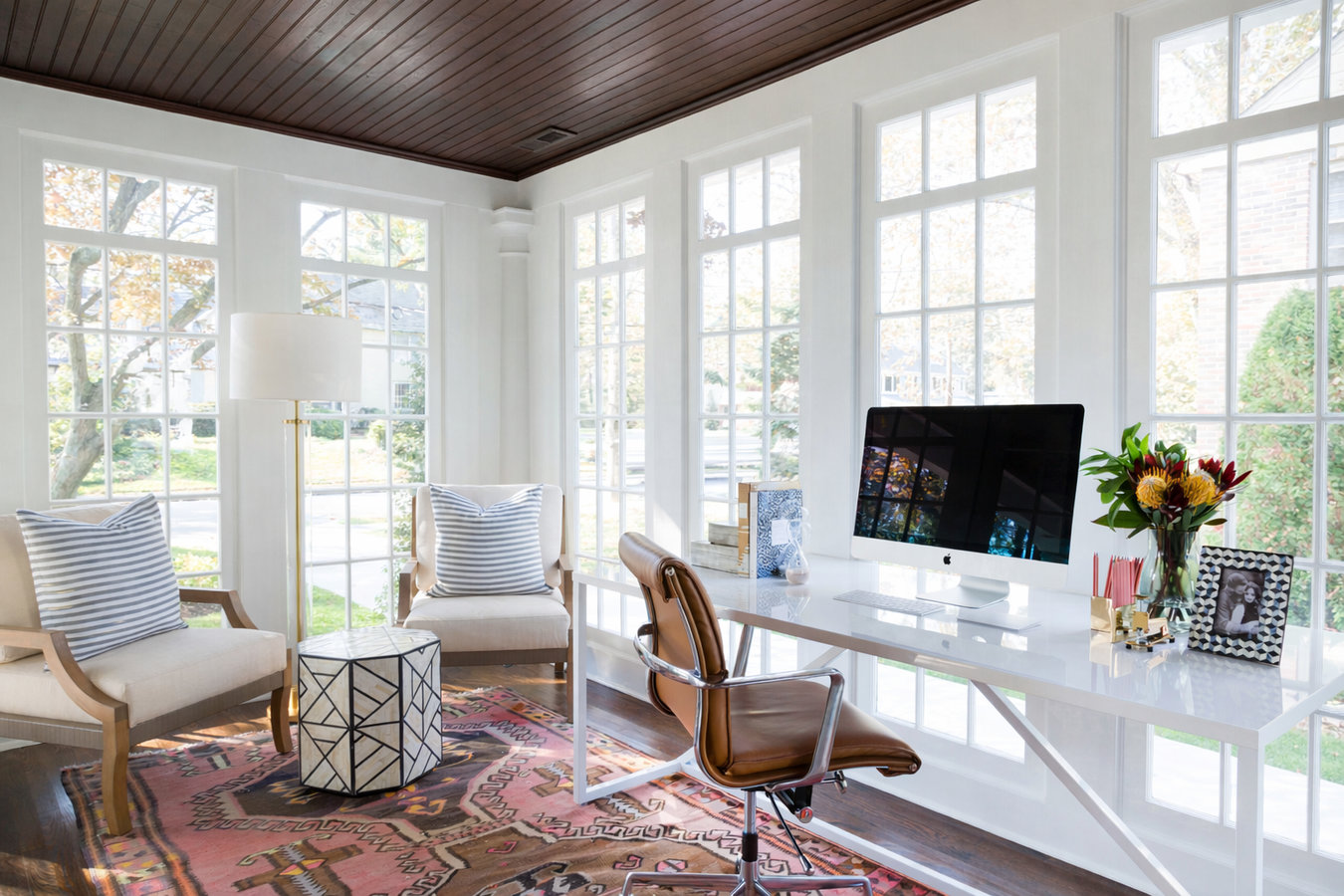
Most sunrooms fail in the High Desert because they were not designed for it. A room that works in Apple Valley starts with the right glass, the right orientation, and a plan for keeping it comfortable even when it is 105 degrees outside.
Sunroom design in Apple Valley, CA is the planning process that shapes everything from glass selection and roof style to permit-ready documentation and HOA approval drawings - most projects move from initial design consultation to a submitted permit application within two to three weeks, with construction following once the Town of Apple Valley's Building and Safety Division grants approval.
Apple Valley sits in the Mojave Desert at nearly 3,000 feet of elevation, which means your sunroom faces conditions that would ruin a generic design - over 100-degree summers, below-freezing winter nights, high-UV exposure, and seasonal wind events. The design phase is where you prevent those problems, not patch them after the fact. Homeowners often reach us after researching vinyl sunrooms or custom sunrooms and realizing those conversations all come back to the same starting point: a design that accounts for this specific desert climate.
A good design consultation covers how you plan to use the space, which direction the room will face, your budget, and any HOA requirements in your neighborhood. That information drives every decision that follows - the type of glass, the roof pitch, the cooling plan, and the way the room connects to your home's existing structure.
Apple Valley's desert summers make traditional outdoor living genuinely impractical for four to five months of the year - the heat is too intense, the sun too direct. If your patio furniture sits unused for most of the year, a properly designed sunroom with the right glass and cooling could give you that space back. A room you actually use twelve months a year is the goal from the first design conversation.
Many Apple Valley homes from the 1980s through the 2000s have covered patios or screened porches that are rarely used because they offer no climate protection. These structures are often good candidates for conversion into a fully enclosed sunroom - the slab may already be in place and the existing roof structure may be reusable. A site visit can answer that question quickly.
If your main living areas feel dim even during the day, a sunroom addition on the south or east side of your home can dramatically change how light moves through the whole house. This is one of the less obvious benefits of sunroom design - it improves not just the new room but the feel of the rooms adjacent to it. Homeowners in Apple Valley often describe this as the change they notice most in daily life.
A sunroom is one of the more cost-effective ways to add functional square footage without a full conventional addition. If you need a home office, playroom, hobby room, or reading space and want to stay in your Apple Valley neighborhood, a well-designed sunroom may cost significantly less per square foot than a traditional addition while delivering a room you use every day.
Our sunroom design service begins with an on-site visit to your Apple Valley home - we look at your existing foundation or slab, the wall where the room will attach, which direction the addition will face, and any site conditions specific to your lot. From there we develop a design that accounts for the desert climate from the start: glass specifications suited to Mojave heat, roof pitch and overhang to reduce direct summer sun, and a cooling plan that keeps the room comfortable year-round. If you are considering a vinyl sunroom specifically, we work through the material choices during the design phase so the framing, glass, and finish all align with what holds up best in the High Desert environment.
The design process also produces the documentation you need to move forward - permit-ready drawings for the Town of Apple Valley's Building and Safety Division and the architectural submission package most HOAs require before approving exterior modifications. If you are planning a custom sunroom with specific finish requirements, design is where those decisions get locked in so there are no surprises during construction. The U.S. Department of Energy notes that passive solar design principles - orientation, glass selection, and thermal mass - have a major impact on how comfortable and energy-efficient a sunroom is in a hot climate.
Best for homeowners who want to understand exactly what glass their room will use and why - we specify low-e glass rated for Apple Valley's UV exposure and solar heat gain, not a generic coastal product.
Best for homeowners who want a smooth permit process - our drawings are prepared to meet Town of Apple Valley requirements so the review does not come back with questions that delay your start date.
Best for homeowners in neighborhoods with active HOAs - we prepare the elevation drawings, material callouts, and color references your association typically requires to grant written approval.
Best for homeowners with an existing covered patio or screened porch - we assess whether the existing structure can be reused and design the enclosure around what is already there to reduce cost and construction time.
Apple Valley sits at nearly 3,000 feet in the Mojave Desert, which creates a climate that is genuinely harder on buildings than most of California. Summers regularly exceed 100 degrees with intense UV radiation that degrades materials not chosen for this environment. Winters bring real cold - nights below freezing from November through February, with the occasional light snow. The combination of extreme heat, extreme cold, and the thermal cycling between them stresses structures, seals, and glass in ways that a contractor unfamiliar with High Desert conditions may not account for during the design phase. Victorville homeowners across the valley face the same design challenges, and we bring the same High Desert-specific approach to every project in the region.
Beyond climate, Apple Valley has specific regulatory requirements that shape sunroom design. The Town of Apple Valley's Building and Safety Division reviews plans before issuing permits, and many neighborhoods - particularly those developed in the 1990s and 2000s - have HOA rules about exterior additions that determine what you can build, what color it can be, and how it relates to your existing roofline. Getting those requirements into the design from the beginning, rather than finding out about them after a design is finalized, is one of the most practical things we do for our clients. Hesperia has its own permitting timeline and HOA landscape, and our familiarity with the broader High Desert regulatory environment means fewer delays for homeowners across every community we serve.
You reach out by phone or through our contact form. We respond within one business day to ask a few basic questions - roughly what size room you are thinking, where on your home it would go, how you plan to use it, and whether your neighborhood has an HOA. This first conversation takes 10 to 15 minutes and commits you to nothing.
We visit your Apple Valley home to assess the site - checking the existing foundation or slab, the attachment wall, which direction the room will face, and any local conditions that affect the design. In Apple Valley, we pay close attention to sun orientation, since a room facing west will bake in afternoon sun without the right overhang and glass specification.
After the site visit, we prepare a detailed written proposal with the design, materials, and a complete price. Once you approve it, we apply for the building permit through the Town of Apple Valley and, if needed, prepare your HOA submission package. Permit review typically takes two to four weeks - that time is used to finalize finish selections and order materials.
With permits in hand, construction begins. A standard sunroom takes two to four weeks on-site from foundation preparation through final finishing. The Town of Apple Valley inspects at key stages - this is normal and expected, and a contractor who welcomes those inspections is doing things right. We walk you through the finished room and go over any warranty details before we consider the project closed.
Free on-site consultation. No obligation estimate. We handle the permit and HOA paperwork.
(442) 221-3755We have designed and built sunrooms specifically in the Mojave Desert environment - not just in mild coastal California. That experience means we know how to specify glass, roofing, and seals for conditions that break generic designs. What this means for you is a room that performs the same in its fifth summer as it did in its first.
We prepare permit-ready drawings and submit to the Town of Apple Valley on your behalf - you do not have to learn the Building and Safety Division's process or track the application yourself. An unpermitted addition creates real problems at resale, so getting this step right is one of the most valuable things we do for clients. You focus on choosing finishes while we handle the paperwork.
Many Apple Valley neighborhoods - particularly those developed in the 1990s and 2000s - have active HOAs with specific rules about exterior additions. We prepare the submission package your association requires and know what local boards typically ask for, which reduces the back-and-forth that delays projects. The American Institute of Architects notes that pre-design regulatory review consistently reduces project delays and change-order costs.
Every project starts with a written proposal that breaks down materials, labor, permits, and any contingencies before any work begins. Surprise costs are one of the most common complaints homeowners have about contractors, and a detailed proposal from day one is the straightforward fix. You will know exactly what you are agreeing to before you sign anything.
Apple Valley homeowners have trusted us with sunroom projects since 2016 because we combine local climate knowledge with a straightforward process and honest written proposals. Every project we design is built to handle the specific conditions of the High Desert - not just to look good at the ribbon cutting.
Vinyl-framed sunrooms built for Apple Valley's desert climate - low maintenance, durable framing that handles High Desert UV and temperature swings.
Learn MoreFully custom sunroom additions designed around your home's architecture and your specific how-you-live requirements in Apple Valley.
Learn MorePermit timelines in the High Desert mean the sooner you start, the sooner you are in your new room - reach out today and we will get the design process moving.