Serving Apple Valley, CA and surrounding areas. (442) 221-3755
Apple Valley Sunrooms & Patios is a sunroom contractor serving Lucerne Valley with four-season rooms, patio enclosures, and screen rooms - our crew knows the Mojave Desert conditions and has been building in rural High Desert communities like Lucerne Valley since 2016.
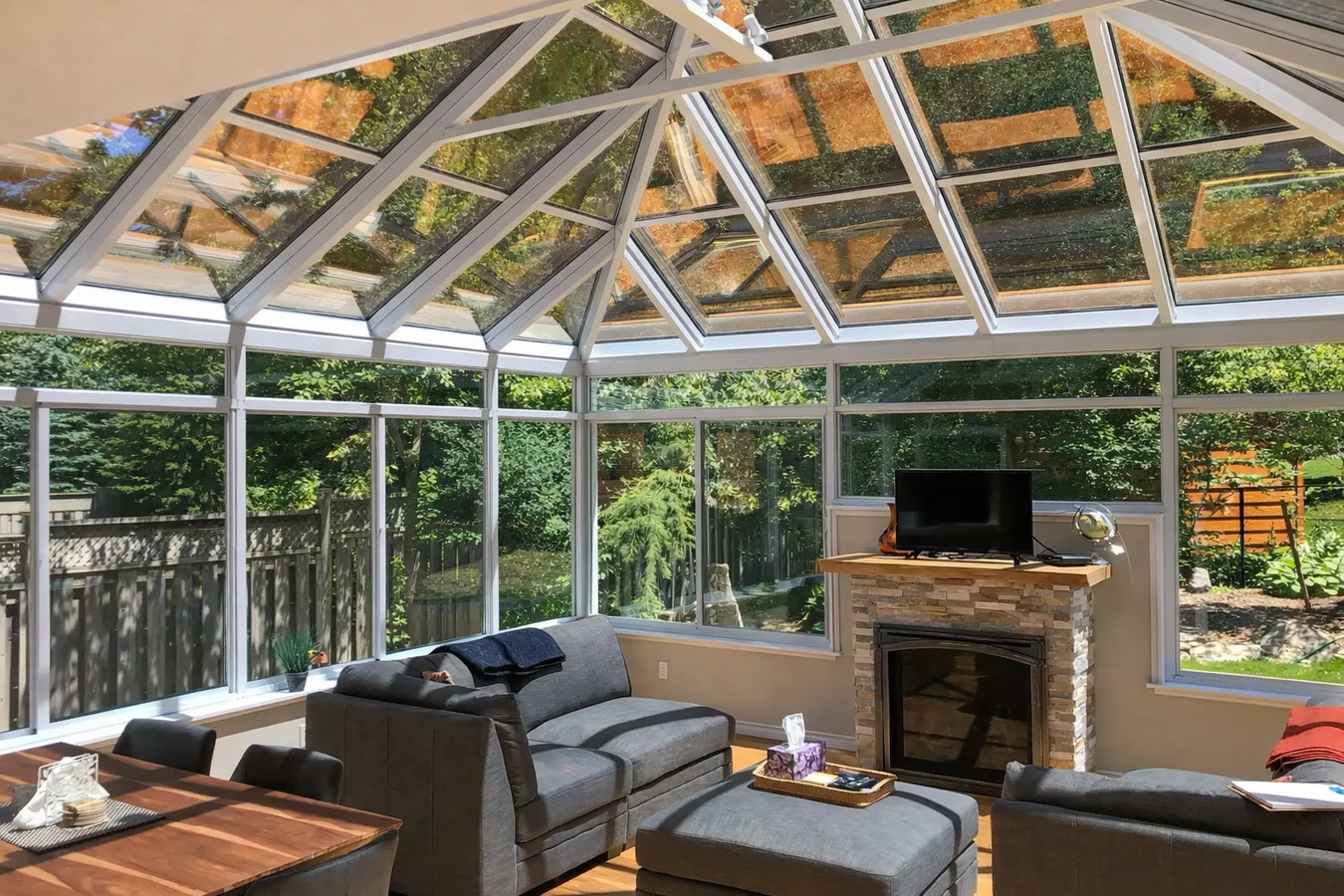
Lucerne Valley sits at nearly 3,000 feet in the Mojave and sees genuine winters alongside its blazing summers. A fully insulated four-season sunroom with connected climate control is the only type of enclosure that stays livable here on both a January night that drops below freezing and a July afternoon above 100 degrees.
Many Lucerne Valley homes have unpaved or gravel patios rather than finished concrete slabs. Enclosing an existing covered area - or adding a new concrete pad and enclosing it in one project - is often the most practical way to add indoor-outdoor living space on a large rural lot.
A large share of Lucerne Valley homes were built in the mid-20th century and have never had a formal room addition. Adding a sunroom to a 1950s or 1960s ranch home connects additional living space to the existing footprint without the disruption and cost of a full construction addition.
Lucerne Valley evenings cool down fast once the desert sun drops behind the San Bernardino Mountains - but blowing sand and insects arrive at the same time. A screened enclosure makes those evenings genuinely enjoyable without exposing you to the elements.
The flat valley floor in Lucerne Valley offers no natural shade, and the Mojave Desert sun hits hard at this elevation. A patio cover installed over an outdoor work area or sitting area reduces surface temperatures dramatically and extends the usable hours of large rural lots.
Lucerne Valley homeowners tend to be value-conscious, and vinyl framing is the most cost-effective sunroom material that still handles the desert climate well. Vinyl does not rust, does not need painting, and holds up to UV exposure and temperature cycling better than wood or basic aluminum.
Lucerne Valley sits in the Mojave Desert at roughly 2,950 feet elevation, and that combination of desert and elevation produces weather that tests building materials hard. Summer temperatures exceed 100 degrees regularly from June through September. Winter brings genuine hard freezes - overnight lows below 32 degrees are common from November through March - along with occasional snowfall. The daily and seasonal temperature swings cause concrete slabs to expand and contract, stucco to crack, and frame connections to work loose over time. Blowing sand from the flat, open valley floor scours every exterior surface and works into any improperly sealed joint. A sunroom that was spec'd for a milder climate will show those failures within a few years out here.
The housing stock in Lucerne Valley is older than in most neighboring communities - a significant portion of homes date to the 1950s through 1970s - and a notable share are manufactured homes rather than site-built construction. Both factors affect how a sunroom addition is planned and priced. Older site-built homes may need updated electrical or roofline ties. Manufactured homes require different attachment methods and foundation considerations. Getting a contractor who is familiar with both types of construction in this specific climate matters more here than in a newer suburban neighborhood.
Our crew works throughout Lucerne Valley regularly, and we understand the local conditions that affect sunroom contractor work here. Lucerne Valley is an unincorporated community under San Bernardino County jurisdiction, which means permits are pulled from the county Land Use Services Department - not a city hall. Knowing this process keeps projects on schedule. Properties here range from homes clustered near the Highway 18 corridor to parcels set far back across the flat valley floor, and we are comfortable navigating both.
The San Bernardino Mountains rise sharply to the south, and the views from properties across the valley floor are one of the things that make Lucerne Valley worth living in. A well-placed sunroom can take direct advantage of those mountain views in a way that a standard room addition cannot. We talk through orientation and glass placement with every homeowner here specifically because the mountain view and the afternoon sun come from the same direction - and getting that balance right matters.
We also serve homeowners in Barstow to the north and in Big Bear Lake up in the mountains to the south, so we travel this stretch of the High Desert and mountain corridor regularly. If you have questions about how a project in Lucerne Valley compares to one in a neighboring area, we can give you a straight answer.
Contact us by phone or estimate form and we reply within 1 business day. Properties along Highway 18 and those set further back in the valley are both within our regular area - no extra drive charge.
We visit your property, look at the existing structure, check whether a manufactured home or site-built foundation is in play, and give you a written estimate covering the complete scope. Cost questions get answered here - not after you sign.
We file the permit with San Bernardino County and begin construction once approval is in hand. You do not need to be present during most of the work - we keep you updated and flag anything that needs a decision from you.
The county inspector signs off and we walk you through the finished room. We cover maintenance specifics for the Lucerne Valley climate - what to check each spring after the freeze-thaw season and how to keep the seals in good shape through the summer heat.
We serve Lucerne Valley and surrounding Mojave Desert communities. Written estimate, 1 business day reply.
(442) 221-3755Lucerne Valley is an unincorporated community in San Bernardino County, sitting in the Mojave Desert at about 2,950 feet elevation. The population is small - roughly 5,000 to 6,000 people spread across a wide, flat valley floor where distances between properties are measured in fractions of a mile rather than feet. The community has a long history as an agricultural area, with alfalfa farming being the most recognized local industry. That agricultural character shapes the land - large open parcels, long unpaved driveways, outbuildings, and minimal commercial density outside the small corridor along Highway 18. You can read more on the Lucerne Valley Wikipedia page.
The dominant building types are single-story ranch homes and manufactured housing on lots of one acre or more, most of them owner-occupied. A significant number of homes were built in the 1950s through 1970s, making Lucerne Valley one of the older housing markets in the High Desert region. The San Bernardino Mountains frame the view to the south, and State Route 18 connects the community westward to Apple Valley and Victorville and eastward toward Big Bear Lake. Neighboring Yucca Valley to the southeast shares a similar desert character, and homeowners across this corridor deal with the same climate and soil challenges that we build for every week.
Transform your existing patio into a comfortable enclosed sunroom.
Learn MoreDurable patio covers providing shade and shelter for outdoor spaces.
Learn MoreCall today or use the form for a free written estimate - we know Lucerne Valley and reply within 1 business day.